ChewTect: Designing Temporal Food Texture via Computational Molding
Food texture plays a crucial role in the overall sensory experience and the functional properties of food, evolving dynamically from the first bite to the final chew. Traditional methods for modifying food texture, such as adjusting cooking parameters, often compromise other key attributes, including appearance and nutritional value, whereas existing computational approaches largely treat texture as a static, monolithic attribute.
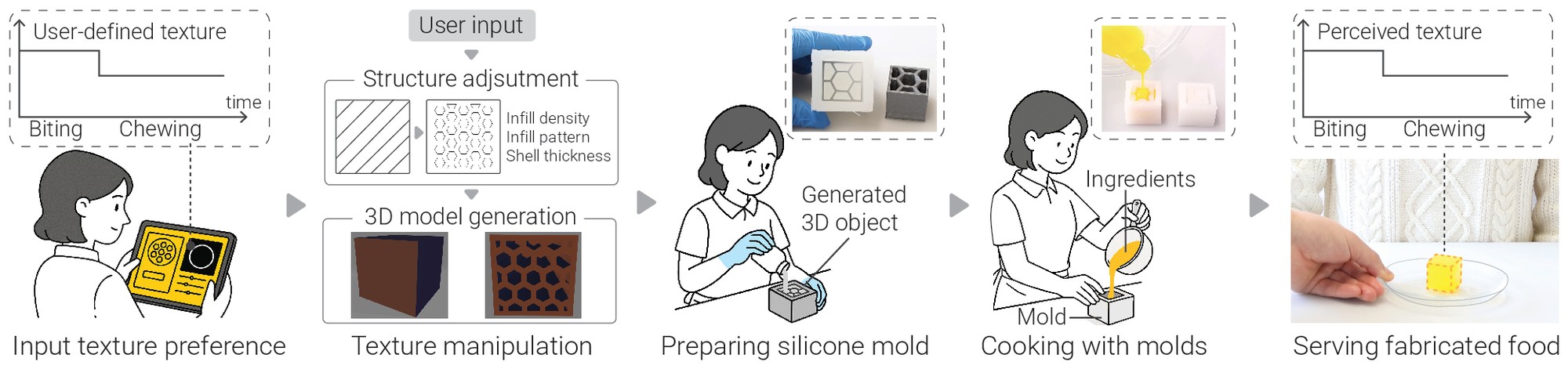
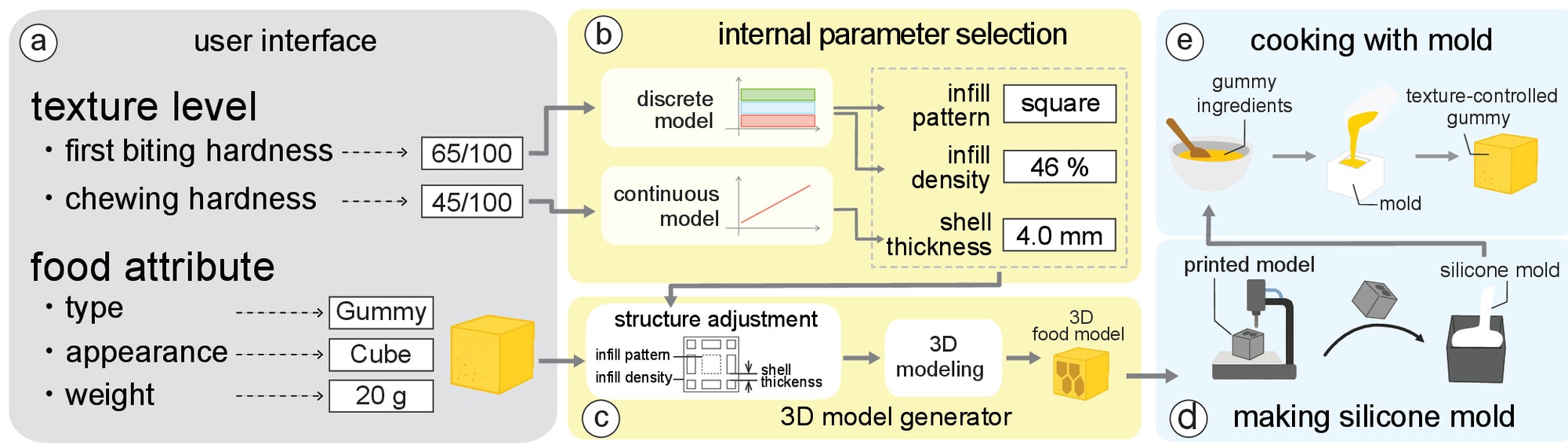
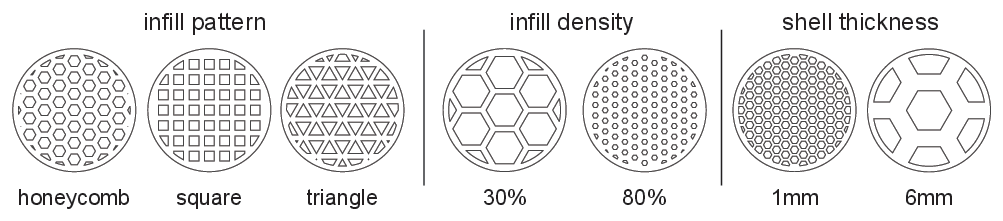
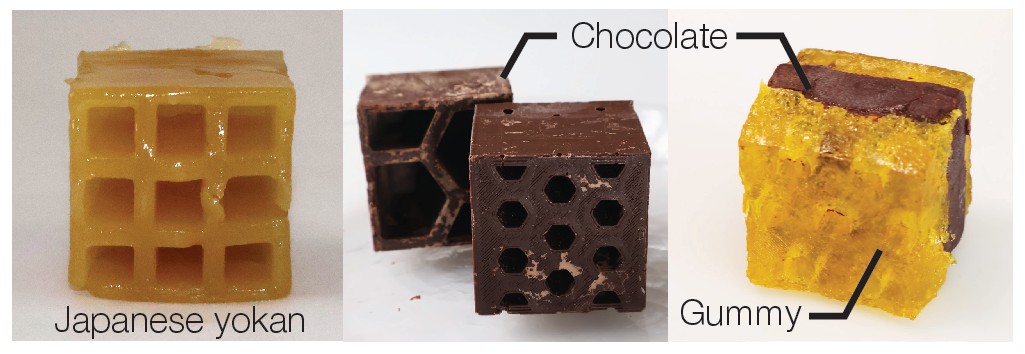
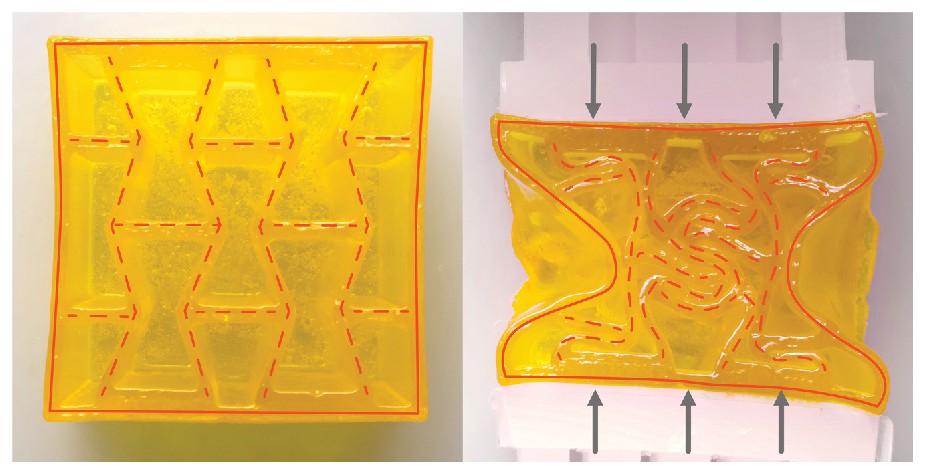
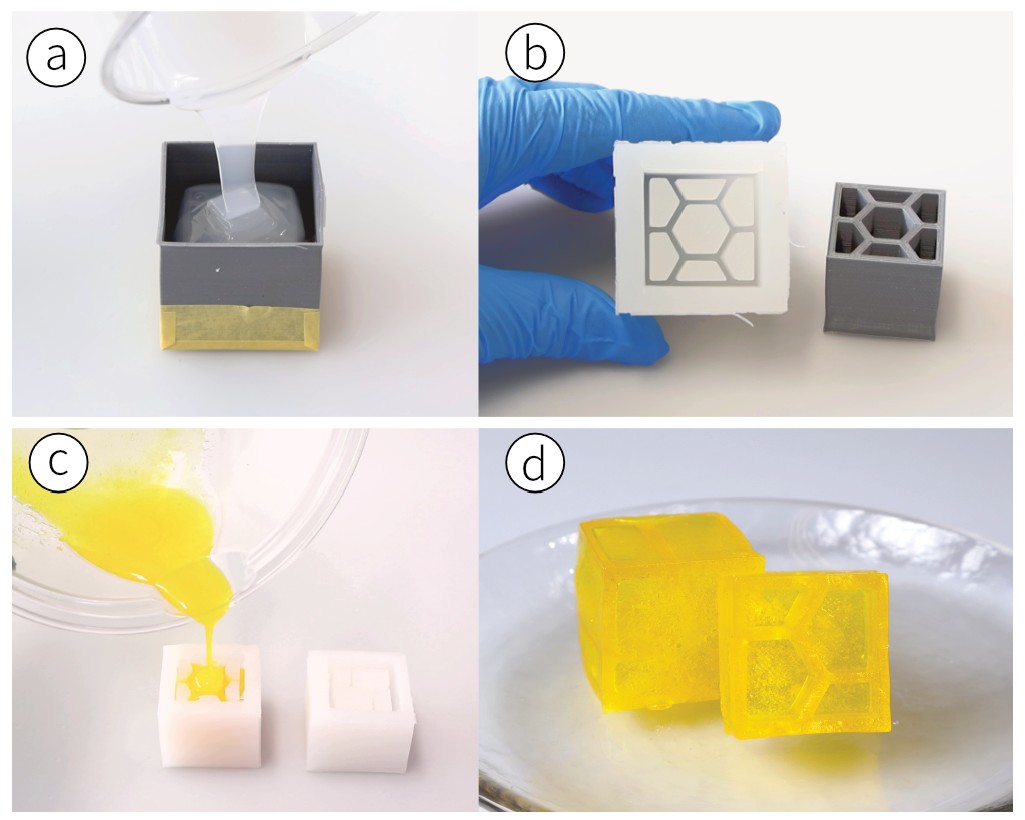
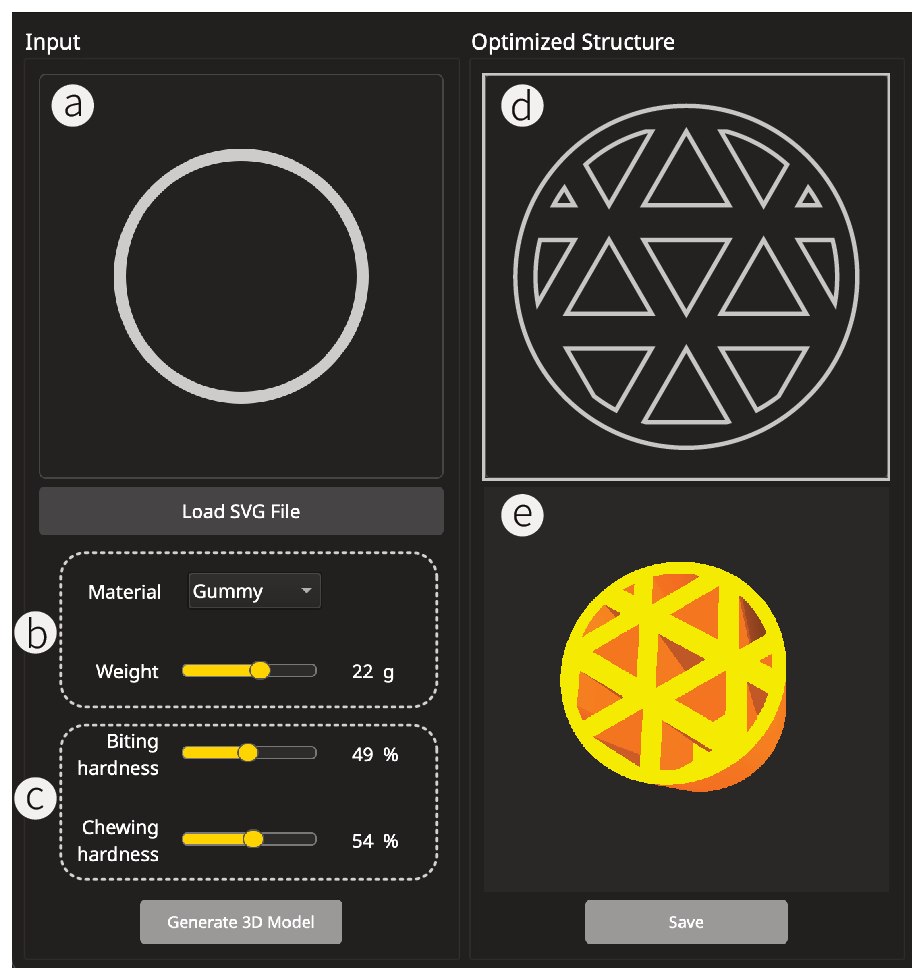
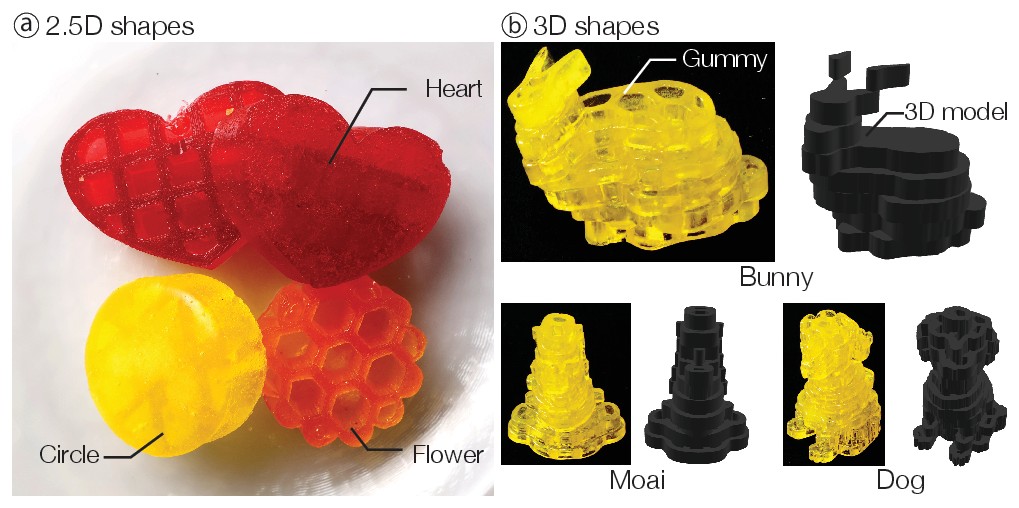
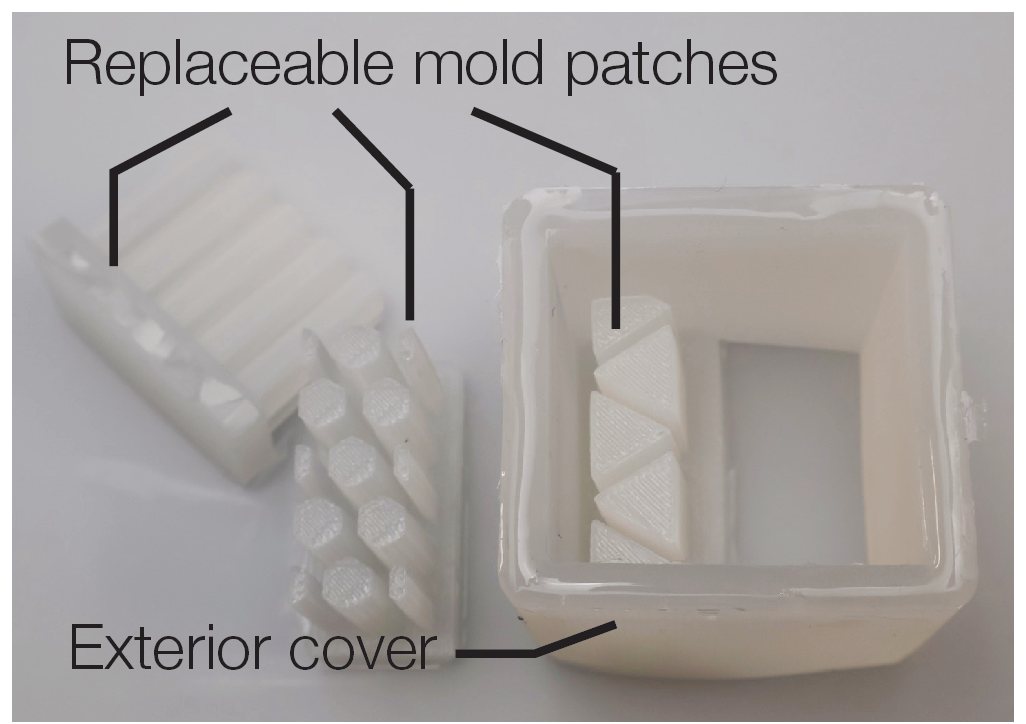
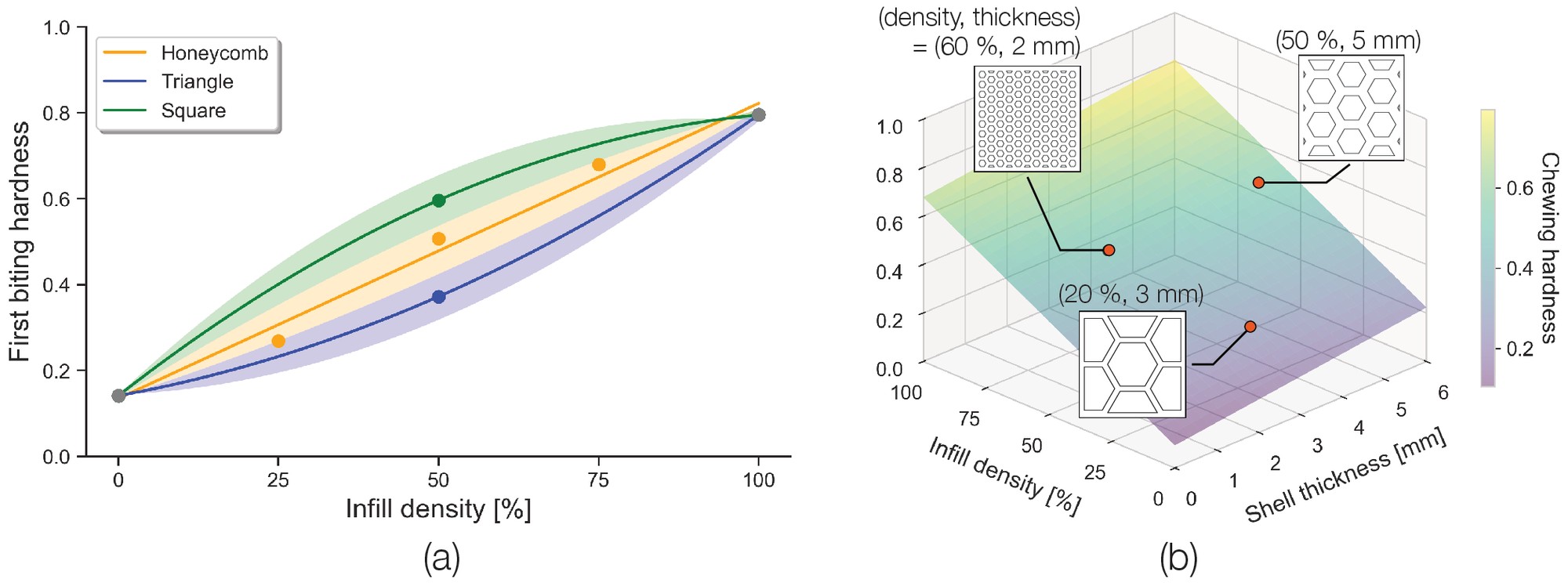
This paper presents a computational method that modulates the internal structure of food to design temporal food texture experiences. Our method generates a silicone mold based on the desired food texture experience. This approach decouples textural properties from visual and amount attributes, enabling independent tuning of sensory factors during different oral processing stages. We characterize the relationship between internal structure and temporal texture perception, specifically finding that infill pattern and shell thickness control the bite and chewing phases, respectively. We present an interactive design interface that allows users to create food items tailored to specific temporal food textures.
Created by:
Yamato Miyatake, Aoi Yamada, Huaishu Peng, and Parinya Punpongsanon
Publications:
Awards:
DIS 2026 Honourable Mention Award
Figures: